The Human Infrastructure Powering the AI Economy

We train, vet and deploy managed model trainers, evaluators and annotators spanning 2,000+ African languages for 1.58 billion speakers - domain experts in Engineering, Healthcare and Law - for the world's most ambitious AI labs.

Get Started
AI Prompt Engineering Vibe Engineering OpenClaw Claude Code RLHF Data Annotation Model Testing Codex Cursor Notebooklm AI Prompt Engineering Vibe Engineering OpenClaw Claude Code RLHF Data Annotation Model Testing Codex Cursor Notebooklm

Our Story

Africa speaks between 2,000 and 3,000 languages.
We train AI models on them.

NLP - Natural Language Processing

Natural Language Processing

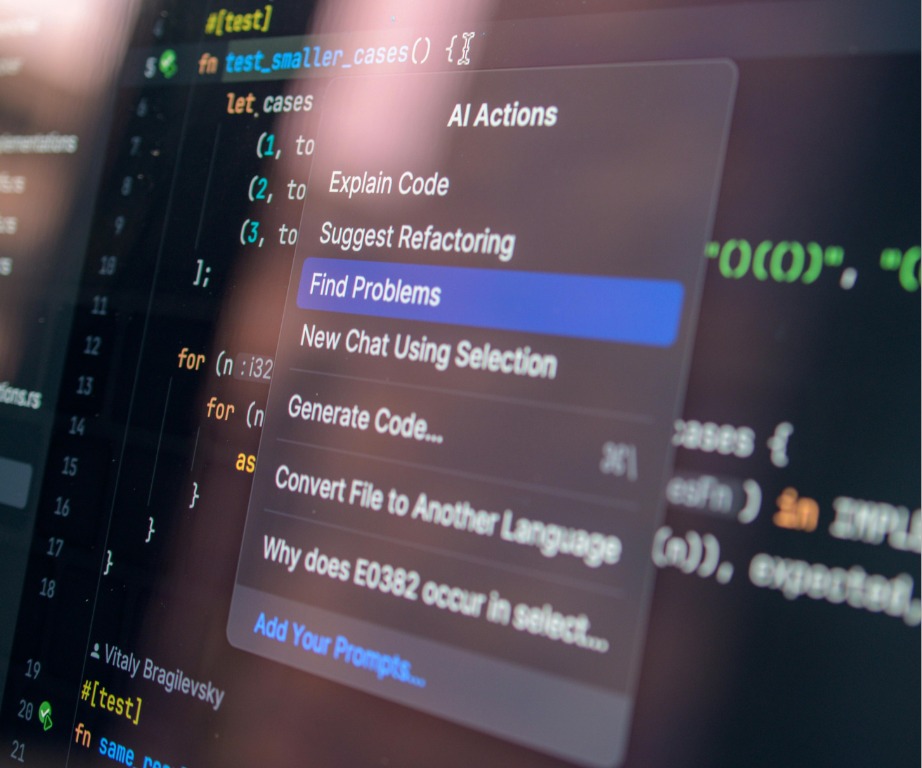
Prompt Engineering

Natural Language Processing

Text Annotation

Natural Language Processing

Audio Annotation

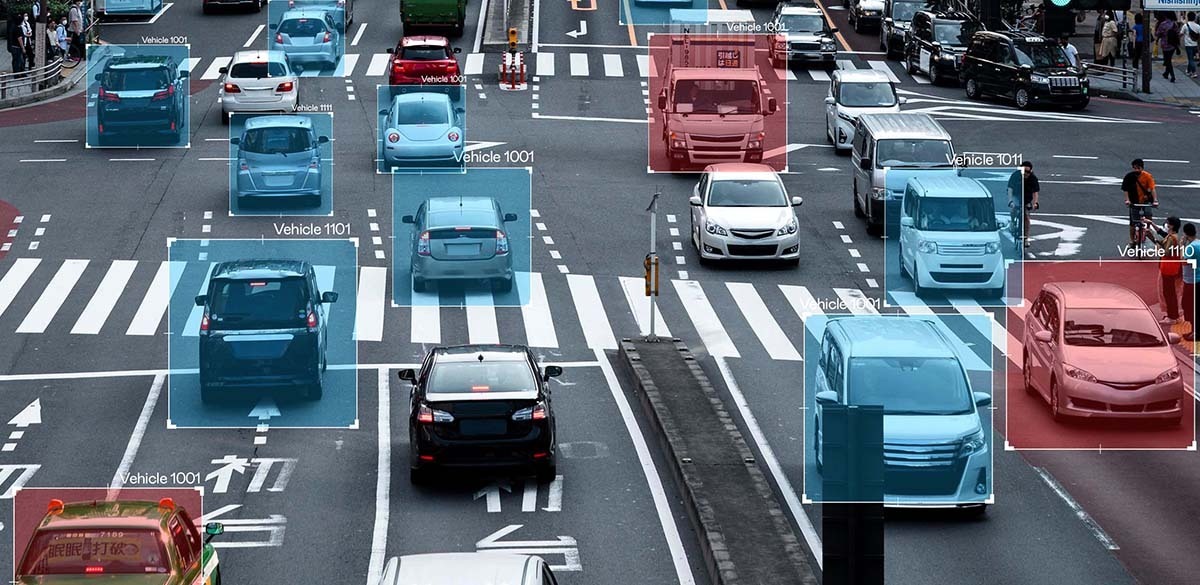
Computer Vision

Computer Vision

Image Annotation

Content Moderation

Video Annotation

Human In The Loop - HITL & Agentic AI

Content Moderation

HITL - Human In The Loop

Content Moderation

Agentic AI / Generative AI

Fullstack Development

Frontend Development

Frontend Development

Fullstack Development

Backend Development

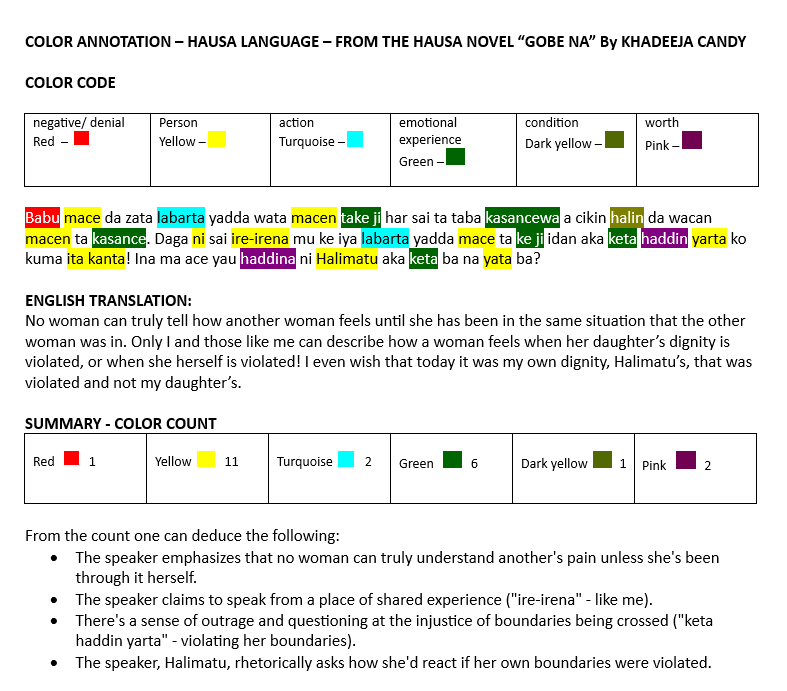
Color/Text Annotation - Hausa Language

Color / Text Annotation - Hausa Language (120-150M Speakers)

Color annotation of Hausa language text spanning six countries, supporting AI tools for translation and sentiment analysis across one of Africa's largest language communities.

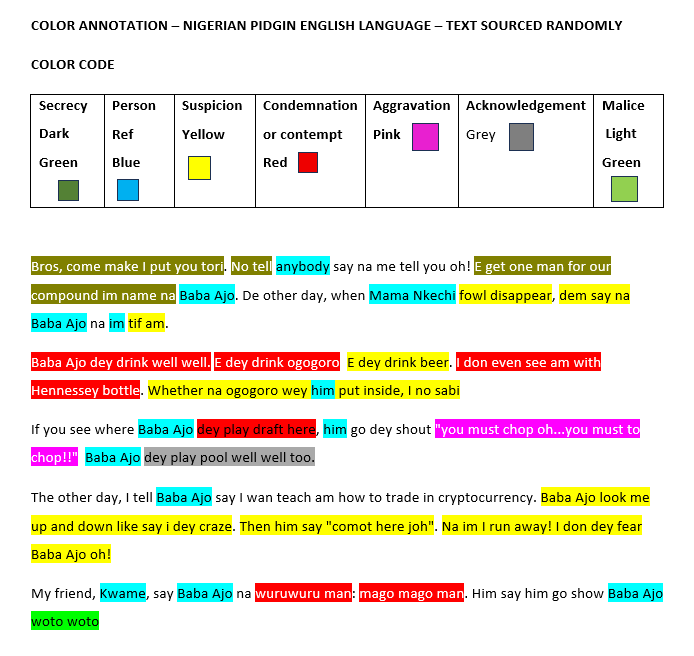
Color/Text Annotation - Pidgin English

Color / Text Annotation - Pidgin English (75-120M Speakers)

Semantic color annotation of Naija language text, enabling AI models to understand informal West African language patterns and sentiment.

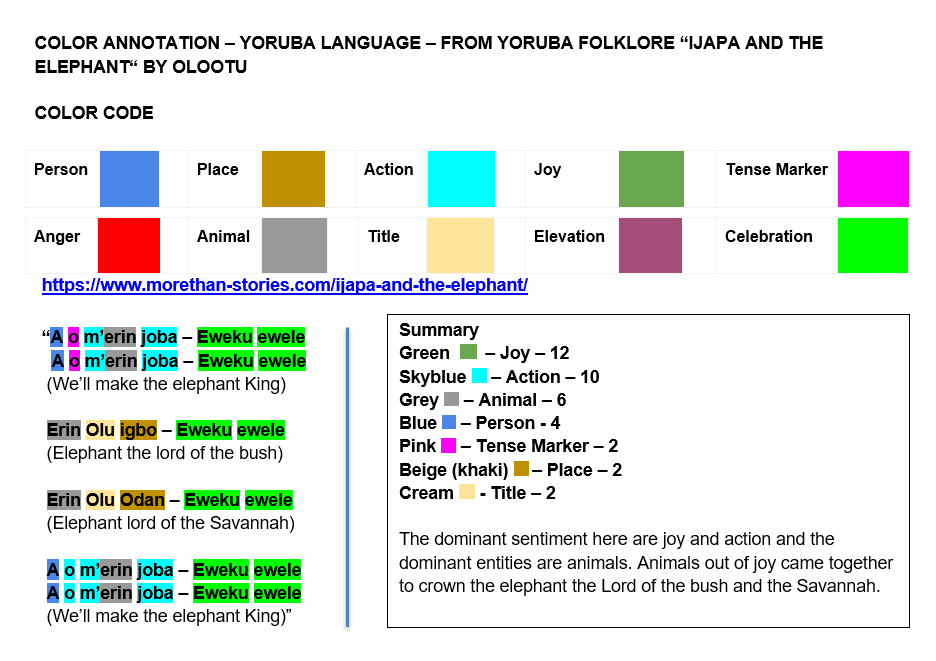
Color/Text Annotation - Yoruba Language

Color / Text Annotation - Yoruba Language (50-55M Speakers)

Annotated Yoruba language literature passages using color-coded semantic labels to build NLP capabilities for one of Africa's most widely spoken languages.

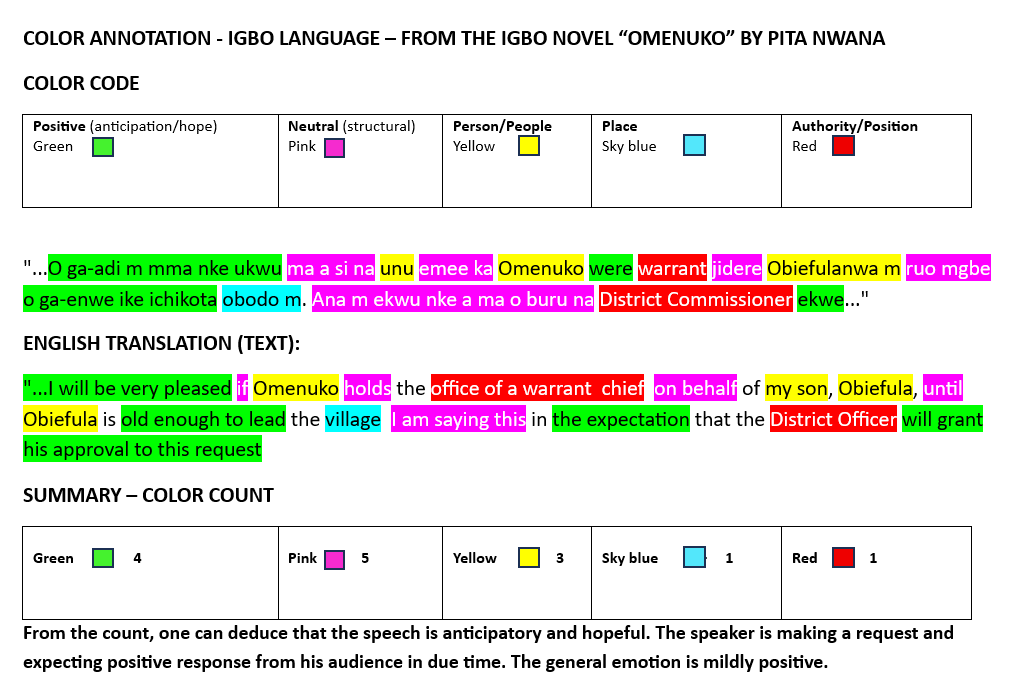
Color/Text Annotation - Igbo Language

Color / Text Annotation - Igbo Language (44-50M Speakers)

Color-coded annotation of Igbo language text from the novel "Omenuko", mapping semantic categories to train AI models on one of Nigeria's major languages.

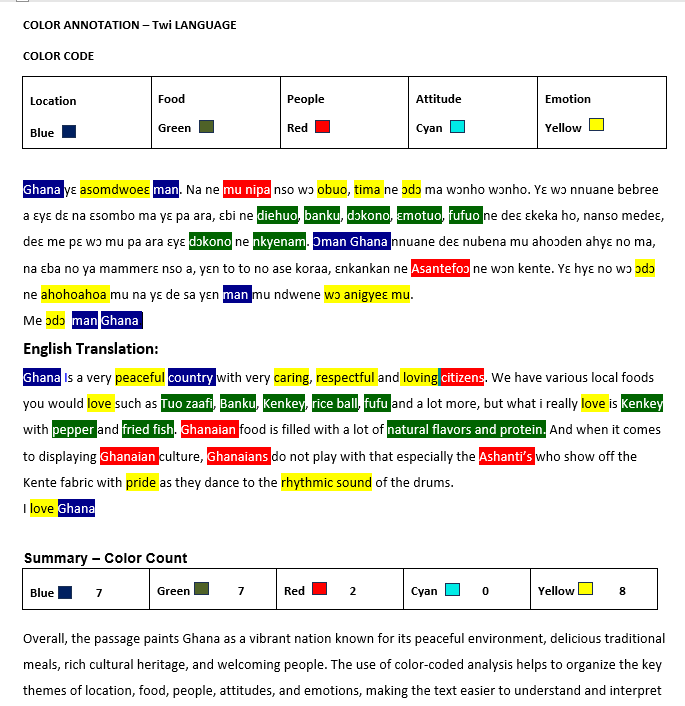
Color/Text Annotation - Twi Language

Color / Text Annotation - Twi Language (17-22M Speakers)

Semantic annotation of Twi language text from the Akan family, enabling AI model development for Ghana's most widely spoken indigenous language.

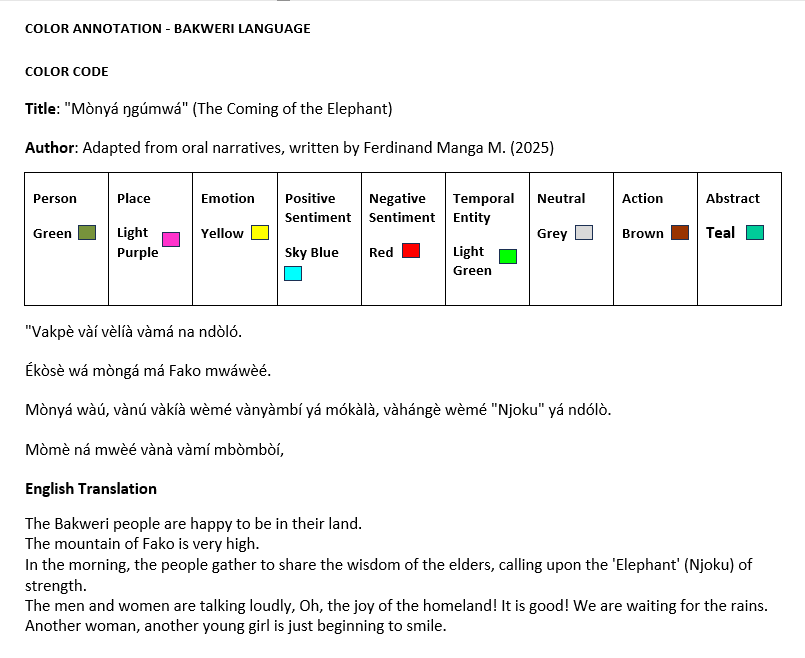
Color/Text Annotation - Bakweri Language

Color / Text Annotation - Bakweri Language (25-32K Speakers)

Color-coded annotation of Bakweri oral tradition text from Cameroon, supporting digital preservation and AI model training for an under-resourced language.

Igbo Language (44 - 50M Speakers)

Prompt 1

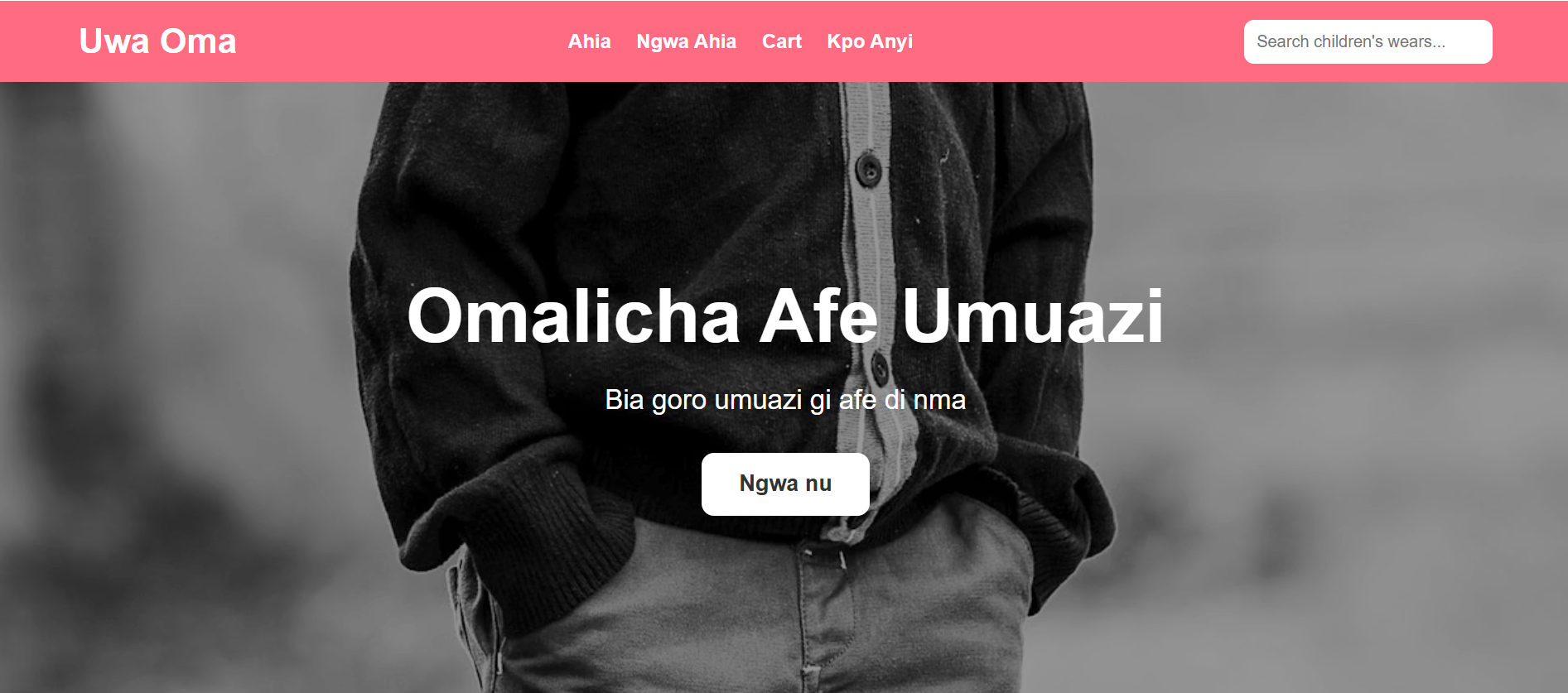
"ChatGPT kedu, Achoro m ka ikpuoro m landing page ebe ana ere uwe umuaka. I ga emenwurum ya?"

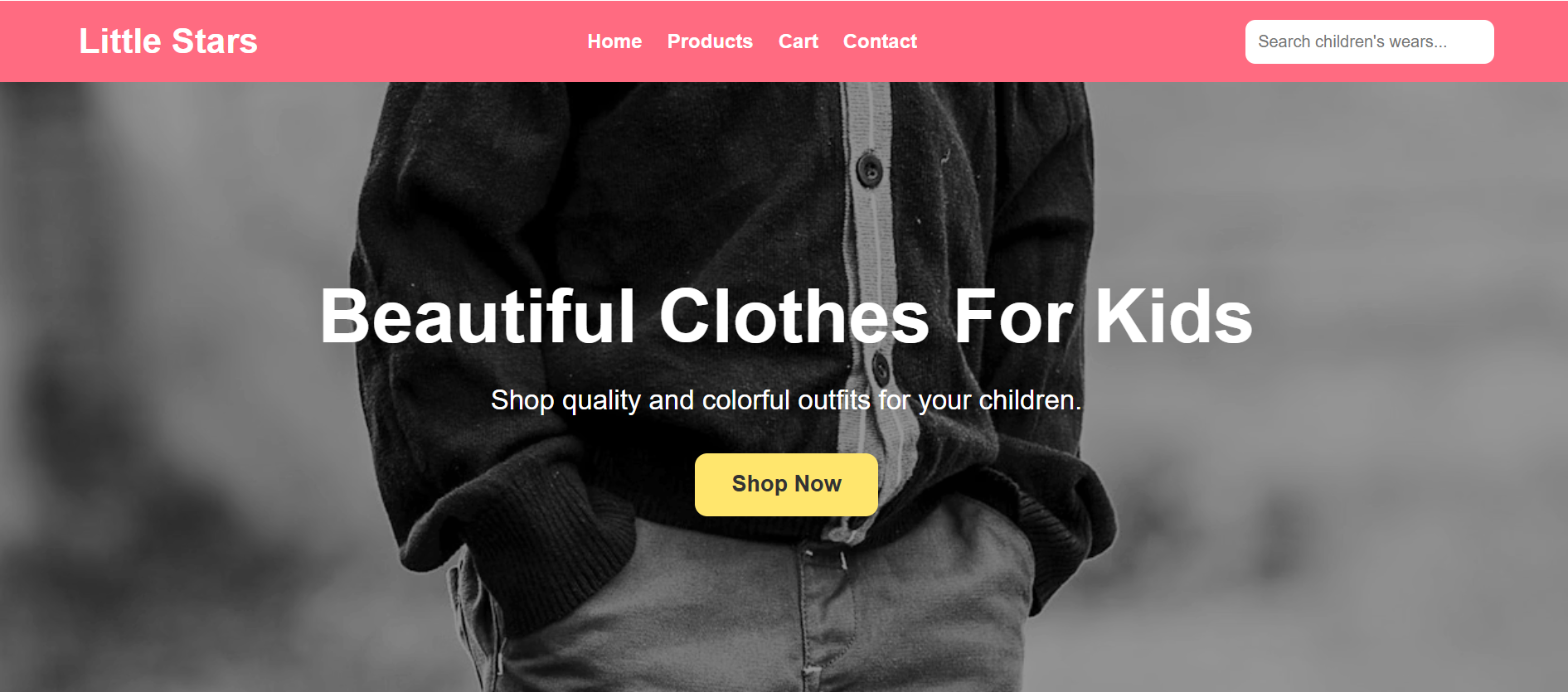
"Hi ChatGPT, I want you to build for me, an e-commerce landing page that sells children's clothes. Can you do it?"

Prompt 2

"Were HTML na CSS kpuorom ya. Were agba di nma me ya. Tinye cart button na ya. Tinye kwa ihe ana ere atumatu ihe di na cart button. Imesia, igosi m ihe ikpuru. Tinye HTML na CSS n'ime VS Code. Me kwa ka enwe footer"

"Use HTML and CSS to build it. Use a good font to design it. Include a cart button. Also include different children's clothes in the cart button. When you are done, show me what you built, Put the HTML and CSS in a VS Code. Also include a footer."

Prompt 3

"Tinye ihe ndị ọzọ n'ime peeji a. Mee ka ọ dị mma anya. Jiri agba ojii na ọcha. Tinye ọnụ ahịa na ihe niile. Gosipụta ihe ị rụrụ ka m hụ."

"Include more items on the page. Make it beautiful. Use and black and white font. Include prices on all the items on display. Show me what you built."

Vibe Coding

Vibe Coding

Vibe Coding is a prompting approach where you describe the feel, mood, and intent of what you want built — and let the AI handle the implementation. Rather than specifying exact logic, you guide the model with context, goals, and examples, producing code that matches your vision naturally.

Vibe Engineering

Vibe Engineering

Vibe Engineering extends vibe coding into full system design — using high-level intent-driven prompts to architect, scaffold, and iterate on complete software products. It's about steering AI across the entire engineering workflow: from architecture decisions to deployment, guided by outcome rather than instruction.